Heritage, Change and Perspectives
Contemporary Circus in Africa
An ancient art, a young sector: an overview of a continent on the move.
Introduction
Where are we speaking from?
In Africa, the practices that feed circus are ancient: acrobatics, dance, contortion, music, oral tradition. “African contemporary circus” as a structured sector, however, is relatively recent.
Realities differ widely across regions and countries. Today it is an art form in constant dialogue between tradition, contemporary creation and international circulation.
Roots that long predate the big top
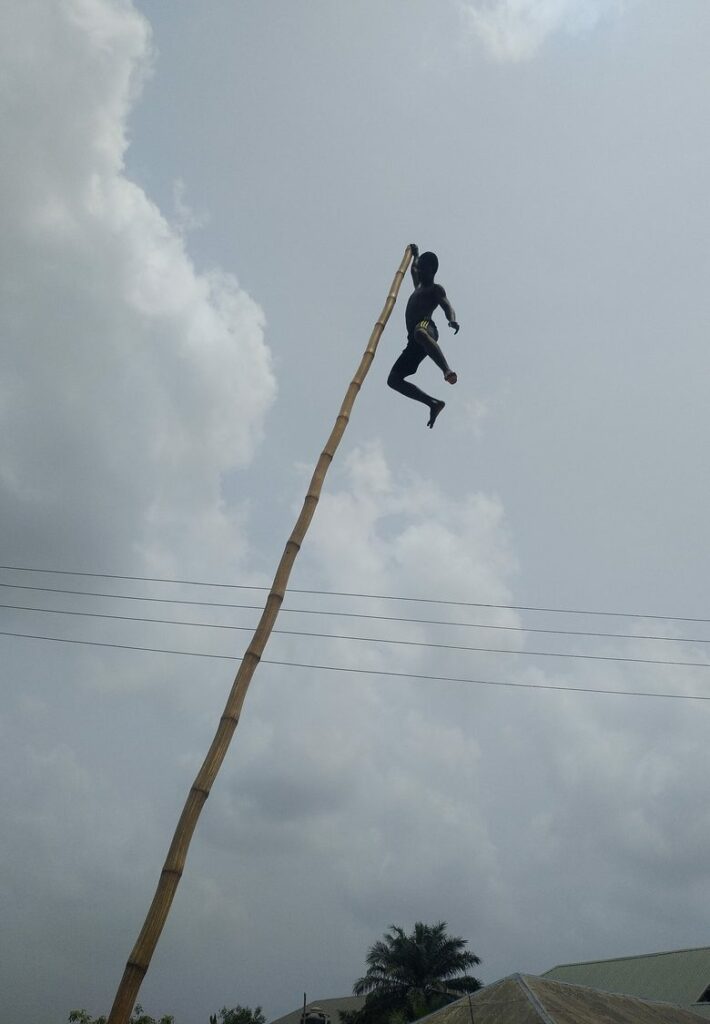
- Acrobatics and skill games at festivals and ceremonies
- The spectacular body: strength, balance, contortion, dance
- Knowledge often passed on within the community or family
- Music and rhythm as core elements of the performance
Overview
A new generation of companies
West Africa
A particularly dynamic hub. Guinea: acrobatic tradition and international visibility (Circus Baobab, Tinafan). Senegal: training, creation and social inclusion through circus (SenCirk). Côte d’Ivoire: growing presentation, residencies and cooperation. Burkina Faso, Ghana, Benin, Mali…: emerging initiatives, networks still fragile.
Southern Africa
The social circus model. Zip Zap Circus, Cape Town, founded in 1992: free training, youth programmes, bridges between social work and professional careers. Circus Zambia: youth, creation and empowerment.
East Africa
Creation, youth and social action. Fekat Circus in Addis Ababa: training, performances, hospital clowning, and a growing network of young artists and teachers. Ongoing mobility and funding difficulties.
Maghreb
A different history of contemporary circus. Morocco: Groupe Acrobatique de Tanger, Colokolo… Tunisia: Cirque El Médina. Older and closer links with European networks, and a hybrid language: circus, dance, theatre, public space.
Guinea — Circus Baobab: creation and reach
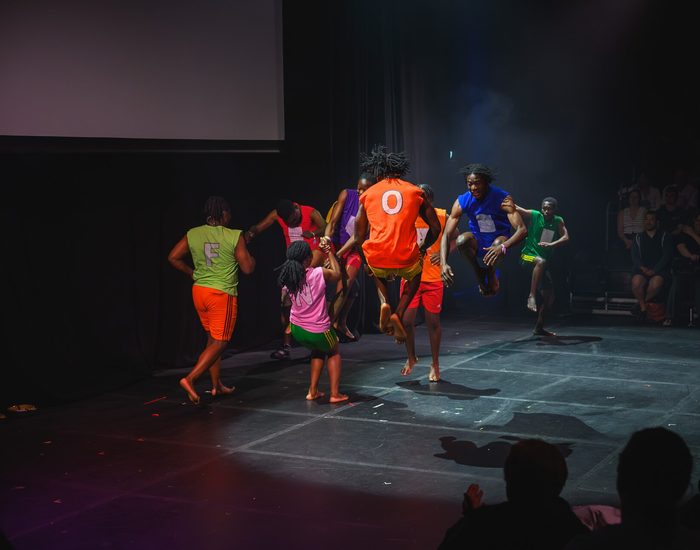
Founded in Guinea in the late 1990s, Circus Baobab links African acrobatics and contemporary circus. Since 2021, new momentum has produced shows able to tour widely around the world. The challenge: turning this artistic recognition into a sustainable ecosystem in Guinea.
Senegal — SenCirk: train, create, include
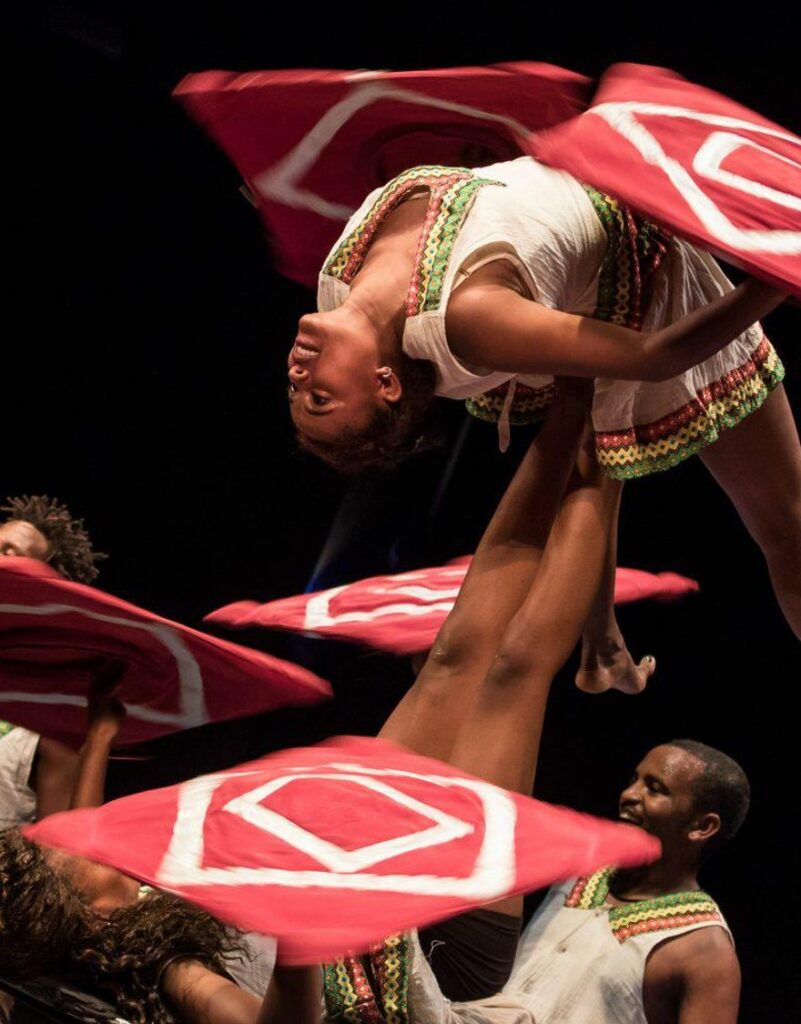
Senegal’s first circus company, founded in 2010, SenCirk runs a school in Dakar and trains young artists. It combines professional shows, international tours and social circus programmes for vulnerable groups.
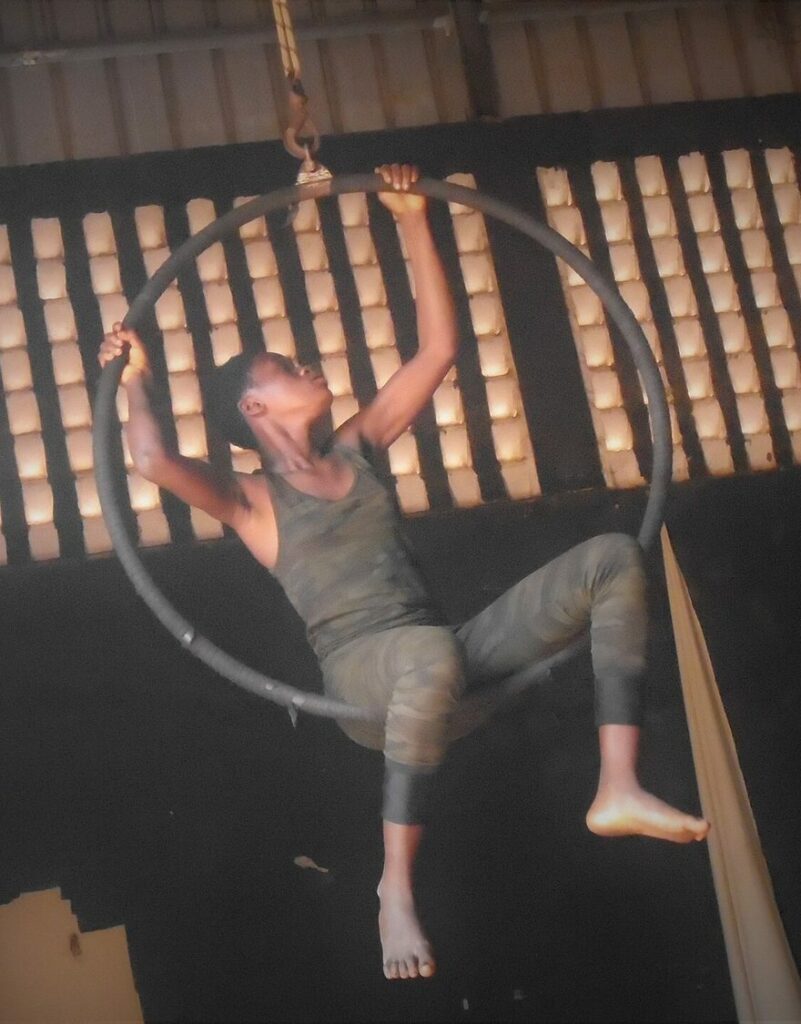
Resource centre
The African circus directory
Who are the circus companies, schools and festivals of the continent? This directory, maintained by La Fabrique Culturelle, grows with every encounter. Filter by region or type, or search for a name.
21 listed
Festival
African Circus Arts Festival
Addis-Abeba, Ethiopia
African circus arts festival, organised by Fekat Circus.
Company
Bondeko
Senegal
Circus and music. Guest company of RICA 2026 in Abidjan.
Company
Circus Baobab
Conakry, Guinea · Since 1998
A collective of artists from Guinea and the diaspora linking African acrobatics and contemporary circus. New momentum since 2021, with shows touring internationally.
Company
Circus Zambia
Lusaka, Zambia
Social circus: youth, creation and empowerment.
Company
Cirque El Médina
Tunisia
Creation and training initiatives in Tunisia.
Company
Cirque Tinafan
Guinea
Guinean company combining circus and heritage. Guest of RICA 2026 in Abidjan.
Company
Colokolo
Casablanca, Morocco · Since 2007
Urban circus and street arts, in residence at the Old Slaughterhouses of Casablanca.
Company
Compagnie Nsoleh
Abidjan, Côte d'Ivoire
Dance, circus and live music.
Company
Compagnie Zolobé
Madagascar
Malagasy clowns and musicians. “Zarazarao !”, a co-creation with the French company Les Matapeste.
Company
Dafra Cirque
Bobo-Dioulasso, Burkina Faso
Company led by Moustapha Konaté. Its show “Souffle”, an acrobatic piece on childhood and resilience in the face of violence, was presented at RICA.
School / training
École nationale de cirque Shems'y
Salé, Morocco · Since 1999
A national school since 2009: training leading to a state-recognised circus artist diploma.
Company
Fabara Cirk
Guinea
Guinean contemporary circus: acrobatics, dance and theatre. 2026 creation: “Fabara – Chez soi”, directed by Aurélie Dauphin.
Company
Fekat Circus
Addis-Abeba, Ethiopia · Since 2004
Training, performances and social action in Addis Ababa, including hospital clowning. A network of young artists and teachers.
Festival
Festival SenCirk
Dakar, Senegal
International circus arts platform in Senegal, organised by SenCirk.
Company
Groupe Acrobatique de Tanger
Tanger, Morocco · Since 2003
Moroccan acrobatics taken into contemporary writing: “Taoub”, “Chouf Ouchouf”, “Azimut”, “Halka”.
Company
Ivoire Cirque Décalé
Abidjan, Côte d'Ivoire
A committed all-women circus company that emerged through the RICA festival and now tours across Africa.
Festival
La Nuit du Cirque
Conakry, Guinea
Circus festival in Conakry.
Company
Les Magiciens de BKO
Bamako, Mali
Contemporary magic.
Festival
RICA — Rencontres Interculturelles du Cirque d'Abidjan
Abidjan, Côte d'Ivoire · Since 2018
Contemporary circus festival run by La Fabrique Culturelle: performances, school shows, training and professional meetings. 9th edition from 15 to 20 March 2027.
Company
SenCirk
Dakar, Senegal · Since 2010
Senegal's first circus company and school: training for young artists, professional shows, tours and social circus for vulnerable groups.
Company
Zip Zap Circus
Le Cap, South Africa · Since 1992
The social circus model: free training, youth programmes and bridges to professional careers.
No result.
Is a company, school or festival missing?
Suggest it: once reviewed by our team, it will be added to the directory.
Signature
What defines African circus writing
Rhythm
A strong presence of rhythm and music.
Body
Bodies and techniques rooted in local acrobatic traditions.
Hybridity
With urban dance, traditional dance and theatre.
Collective
Work that is often collective.
Stories
Youth, the city, migration, identity, social change.
The challenges
Training: the first challenge
- Few long-lasting professional schools across the continent
- A lack of specialised trainers in some disciplines
- Safety, rigging and equipment: a major issue
- Little training in technical jobs, production, touring and administration
- A need for career paths that allow artists to make a real living
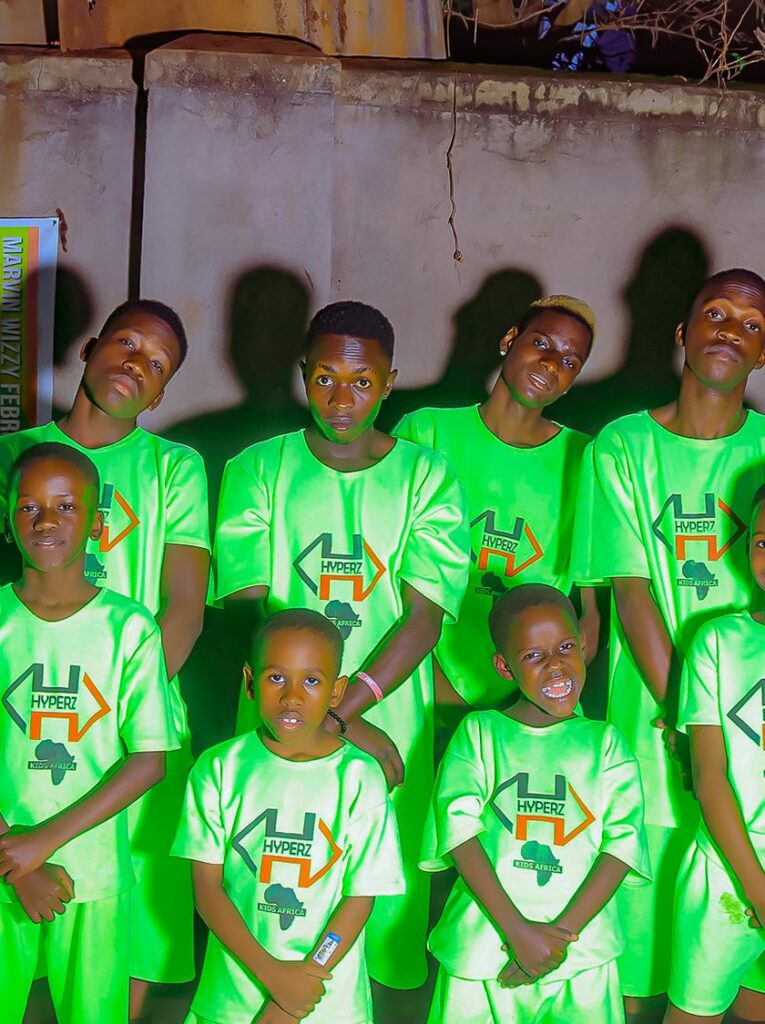
Creating… but above all touring
- Few intra-African touring circuits
- High cost of international travel and freight
- Visas and travel permits
- A lack of technically equipped venues
- Frequent dependence on European tours and funding
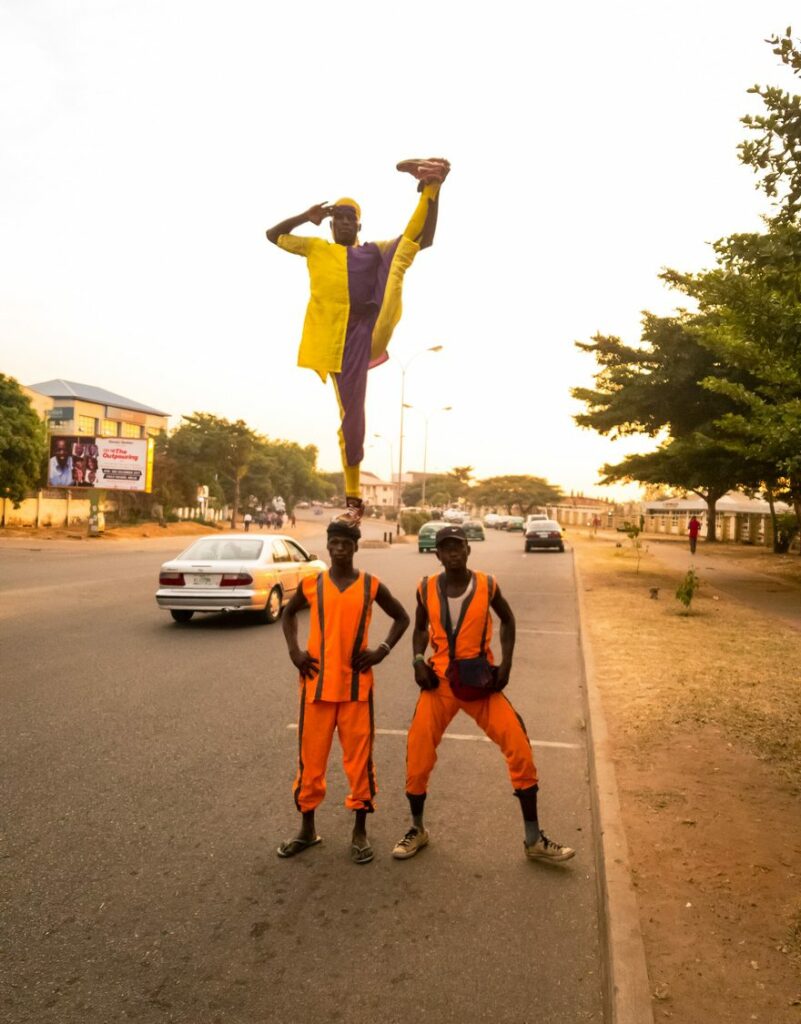
Abidjan · since 2018
The RICA: a meeting point in Abidjan
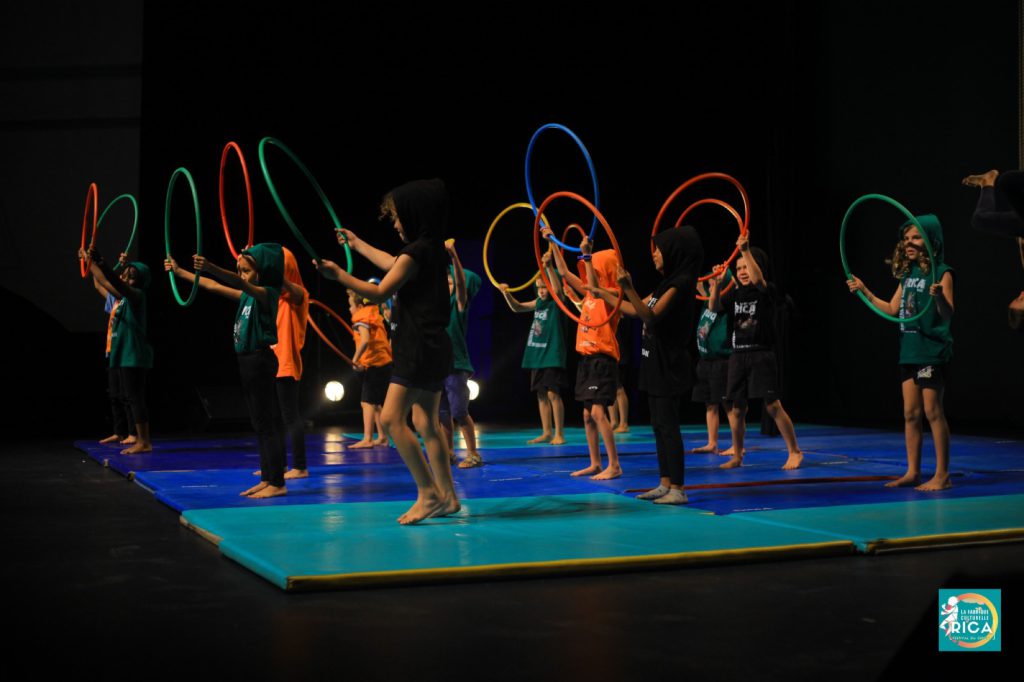
Created in 2018 and run by La Fabrique Culturelle, the Abidjan Intercultural Circus Encounters (RICA) bring together performances, school shows, outreach, training and professional meetings. The festival hosts African and international companies, with one ambition: making Abidjan a crossroads for contemporary circus in West Africa.
What the RICA experience has taught us
- African audiences come when the offer exists.
- Young audiences are an essential way in.
- Exchanges between African companies are still too rare.
- International cooperation is useful when it builds local capacity.
- A festival alone is not enough: we need a year-round ecosystem.
Proposals
Building the next step
- 1Create regional training hubs
- 2Develop a continental network of festivals and partner venues
- 3Organise shared intra-African tours
- 4Train more women as artists, technicians and managers
- 5Support light, mobile productions
- 6Develop African production, touring and professional markets
- 7Use digital tools for visibility and networking
Why it matters
An artistic, social… and economic issue
- Circus creates artistic and technical jobs.
- It offers career paths to a very large young population.
- It makes cities more culturally attractive.
- It carries contemporary African imaginations around the world.
The challenge: moving from remarkable projects to a sustainable sector.
What is missing most
Training · Venues · Funding · Touring networks · Mobility
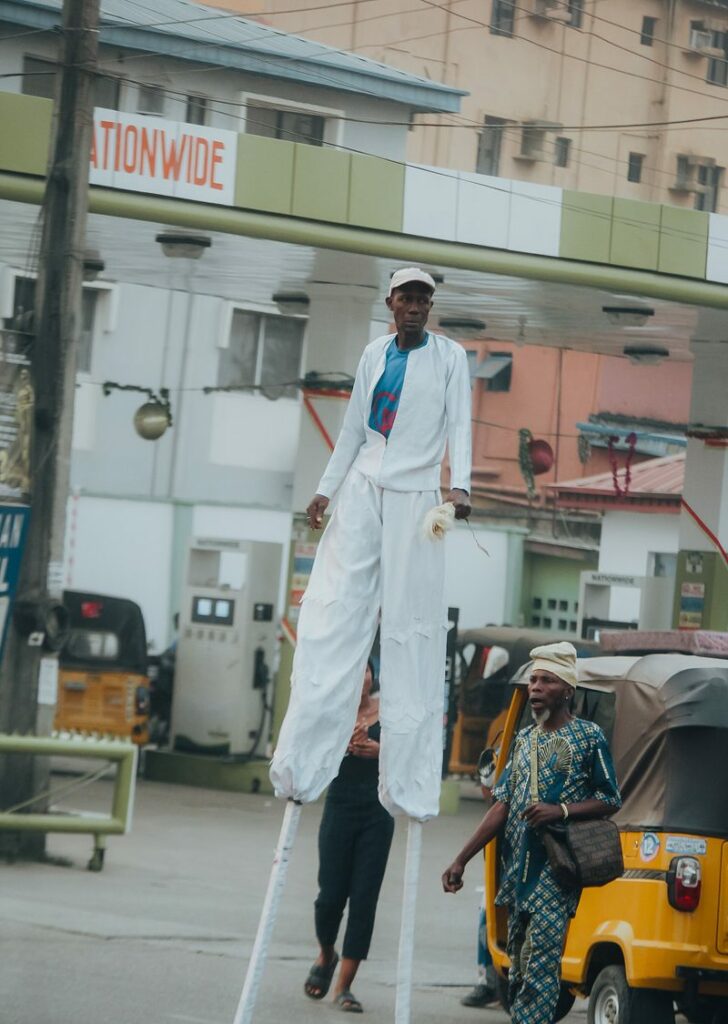
“The next chapter must also be written between African cities — not only between Africa and Europe.”
Chantal Djédjé
Let’s work together
Festival, company, school, institution or partner: would you like to join this movement or host a company? Write to us.
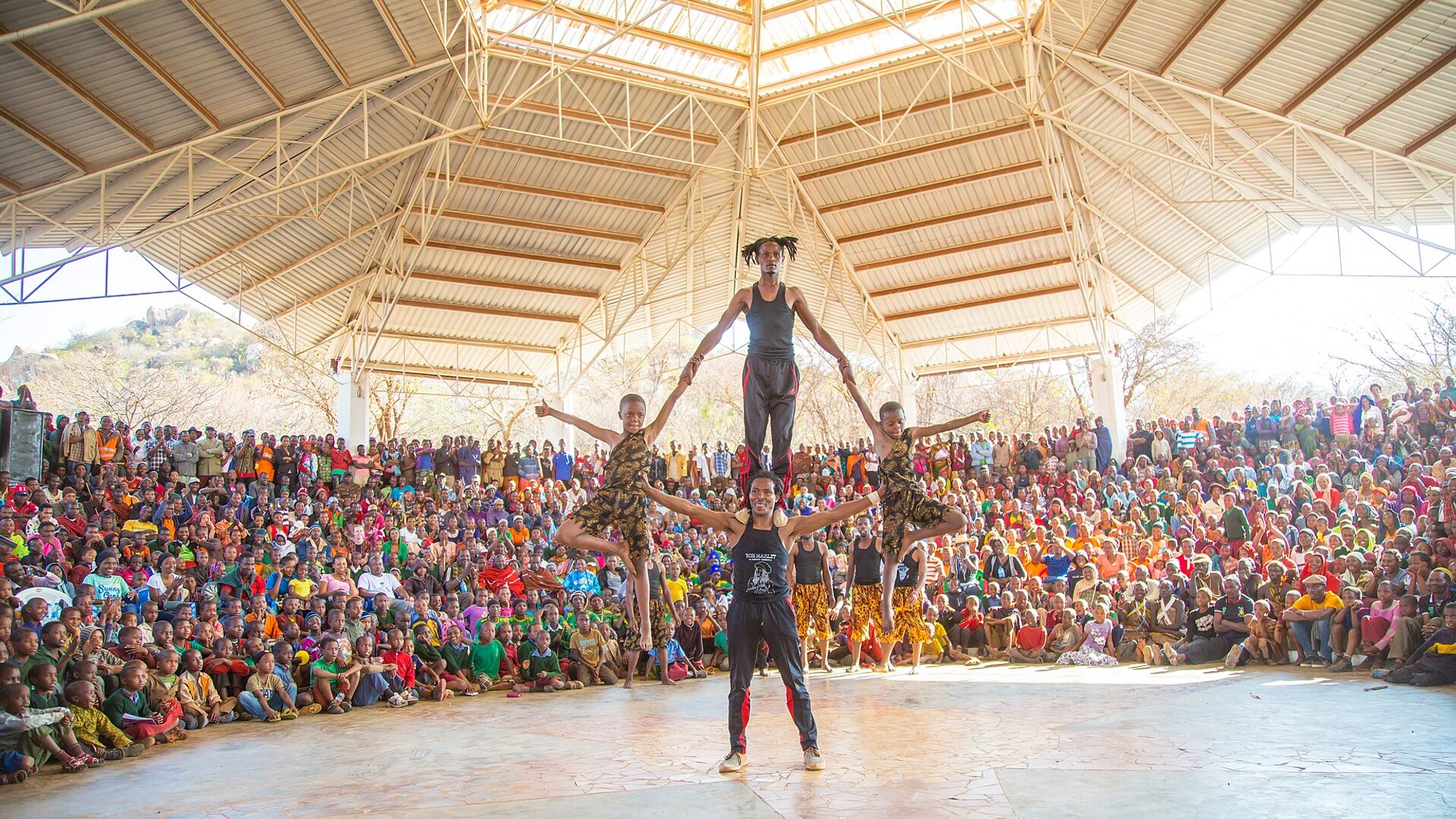
This text is based on the talk given by Chantal Djédjé, President of La Fabrique Culturelle, in Lagos on 2 October 2026. Photos: Wikimedia Commons, authors and licences shown under each image. Acrobatic show : Imani Selemani Nsamila, CC BY-SA 4.0.